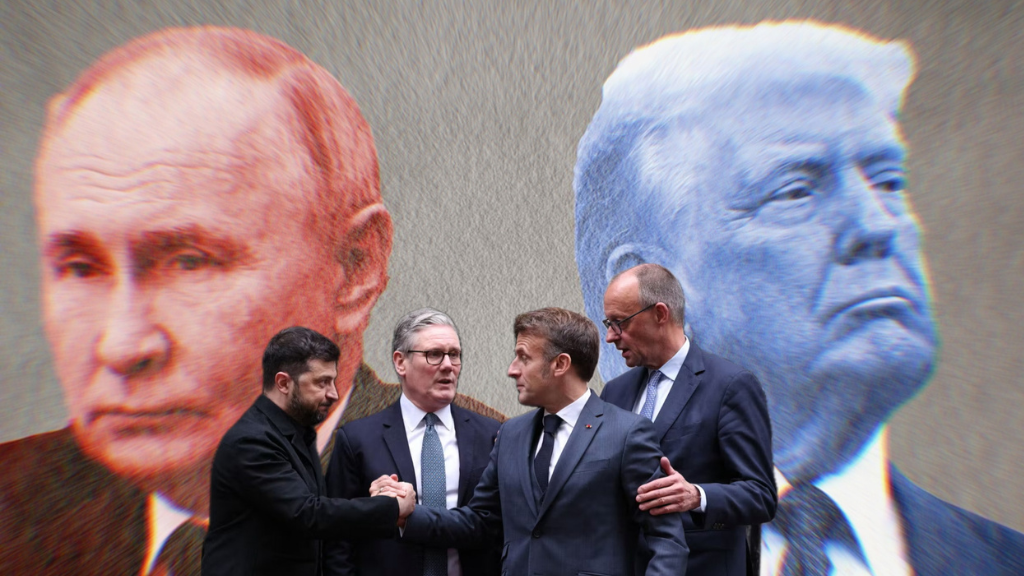
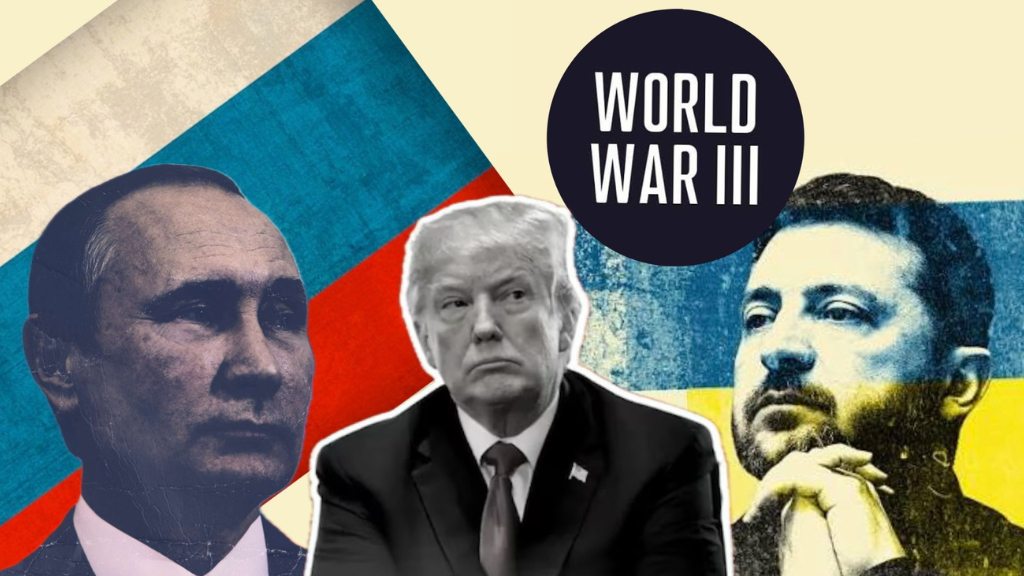
As the Russia–Ukraine war drags on with no sign of compromise, President Donald Trump has delivered one of his strongest warnings to date. Speaking at the White House, he cautioned that the conflict could pull major powers into direct confrontation. In his words, the current trajectory risks escalating into a “third world war.”
Trump paired the warning with a stark casualty claim. He said that roughly 25,000 people, most of them soldiers, died in the past month alone. The figure underscored the war’s brutality and the growing sense of stalemate on the battlefield.
Trump’s frustration has been building for weeks. He has repeatedly claimed that he could end the conflict “within hours.” Yet Moscow and Kyiv continue to hold firm positions. As a result, the President finds himself increasingly sidelined. The stalemate is draining diplomatic patience in Washington and complicating the White House’s efforts to project itself as an effective peacemaker.
A President Losing Patience
Trump used unusually blunt language to describe the situation. He argued that continued fighting reflects a dangerous complacency among world leaders. “Everybody keeps playing games like this,” he said. He warned that major wars often begin through unchecked escalation.
His remarks conveyed both urgency and irritation. Casualties continue to rise, while diplomacy remains stalled.
White House Press Secretary Karoline Leavitt echoed this message. She said Trump is “tired of meetings that achieve nothing.” According to her, the administration no longer values symbolic gestures or endless rounds of talks that produce “conversation without outcomes.”
Despite the rhetoric, U.S. engagement has not slowed. Special Envoy Steve Witkoff remains in active contact with both Moscow and Kyiv. Trump has also coordinated with European leaders to explore possible paths toward de-escalation.
Even so, frustration has grown inside the White House. Leavitt confirmed that the President feels “extremely frustrated with both sides.” In Washington’s view, neither government has shown serious willingness to compromise.
A Rift With Kyiv Over Peace Terms
Trump’s impatience extends beyond general diplomacy. It focuses directly on Ukrainian President Volodymyr Zelensky. Trump has signaled that Washington is willing to support a broader security framework to end the war. At the same time, he has expressed disappointment with Zelensky’s reluctance to move faster toward accepting a U.S.-backed proposal.
The tension became visible after Zelensky suggested holding a public vote on ceding the Donbas region. The idea triggered controversy inside Ukraine and drew mixed reactions abroad. Moscow, meanwhile, has hardened its demands. The Kremlin insists that Ukraine withdraw its forces from eastern territories it claims, including parts of Donetsk and Luhansk still outside Russian control.
For Washington, Zelensky’s hesitation has become a central obstacle. Many in Kyiv view the American proposal as overly favorable to Moscow. Trump’s irritation reflects a desire to show progress rather than prolong negotiation and uncertainty.
Shifting U.S. Role in Ukraine’s War Effort
The United States remains a key diplomatic actor, but its military posture has changed under Trump. His administration has moved away from large-scale direct military aid. Instead, it has reduced Washington’s own contributions.
The White House now prefers a model in which NATO allies purchase U.S.-made weapons for Ukraine. This approach limits the burden on American taxpayers while preserving Kyiv’s access to Western arms.
The shift fits Trump’s broader foreign-policy strategy. He aims to curb U.S. spending, push allies to assume greater responsibility, and force faster negotiations instead of sustaining an open-ended war.
However, the recalibration has unsettled Kyiv. With U.S. support no longer assured at earlier levels, Ukrainian leaders face growing pressure to show flexibility. At the same time, battlefield realities offer them few incentives to concede.
Also Read: Is Zelensky Still Ukraine’s Choice?
A War at a Dangerous Crossroads
Trump has warned before about the risk of a wider war. His latest remarks, however, carry a sharper sense of alarm. After nearly four years of fighting, neither side appears ready to compromise.
Russia remains focused on securing territorial gains that Ukraine refuses to legitimize. Ukraine, weakened but defiant, continues to demand security guarantees that Moscow rejects outright.
This deadlock, combined with rising casualties and thinning diplomatic patience, has created what analysts increasingly describe as a strategic pressure cooker. Trump’s frustration reflects this reality. The war shows no momentum. Diplomatic channels generate statements, not solutions. Allies watch nervously as the conflict deepens.
Whether Trump’s warning jolts European partners into action or pressures Kyiv and Moscow to reconsider their positions remains unclear. What is clear is that the conflict has reached a stage where escalation carries risks well beyond Eastern Europe.
For now, Trump’s message leaves little room for ambiguity. Without decisive action, the world risks drifting toward a far broader and more dangerous confrontation.