India’s Diplomatic Leverage with Russia
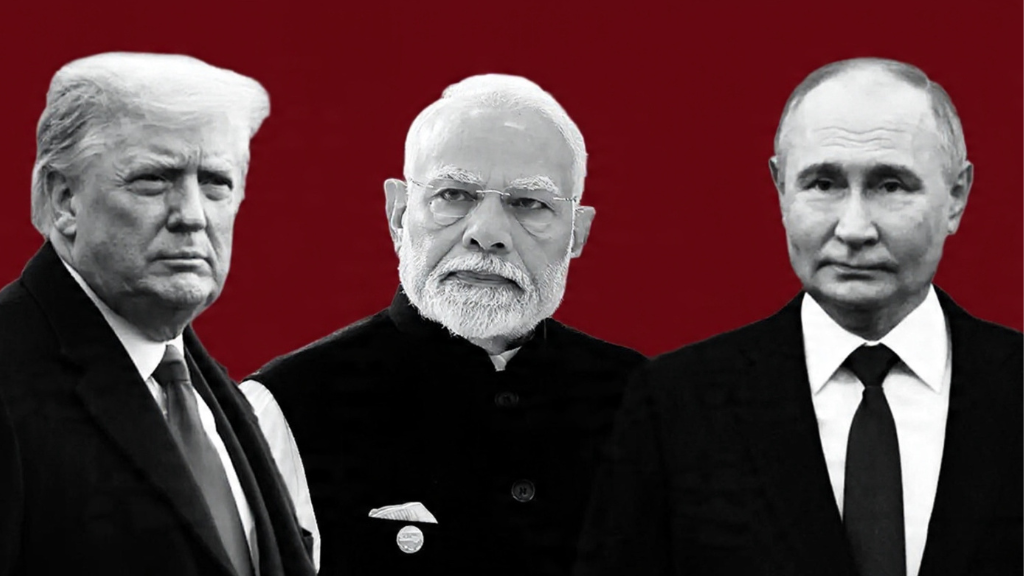
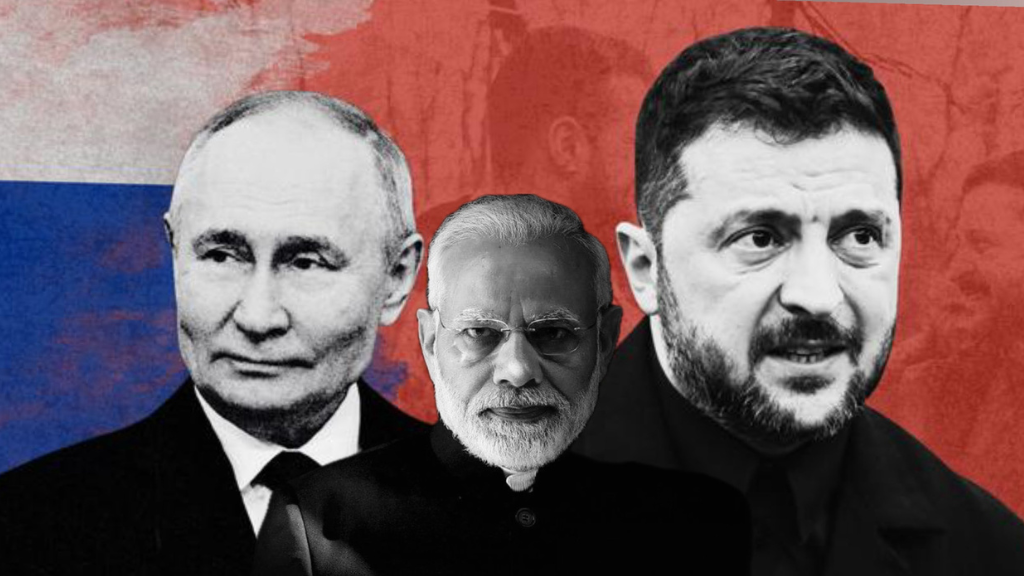
The Russia–Ukraine conflict has now entered its fourth year, making it one of the most complex crises in modern international politics. Despite sweeping Western sanctions and sustained diplomatic pressure, the war shows no clear path to resolution. In this setting, India has emerged as a potential diplomatic intermediary. U.S. Representative Ami Bera, an adviser to President Donald Trump, recently argued that India could “play a big and unique role” in encouraging Russia to enter negotiations. He pointed to India’s long-standing relationship with Moscow as a key advantage.
India’s ties with Russia run deep. Decades of cooperation in defense, energy, and trade have created a level of trust that few countries still enjoy. These ties allow Indian leaders to speak with Moscow directly and candidly. Unlike Western governments that rely mainly on sanctions and isolation, India maintains open channels of communication. This access could prove critical in persuading Russia to engage in serious talks.
Bridging East and West
Bera acknowledged that the Trump administration remains cautious about India’s closeness to Russia. At the same time, he stressed that these ties create a diplomatic opening rather than a liability. “India can play a unique role given their lines of communication and their ability to understand the Russians and bring them to the table,” he said. He also noted that Trump would support a stronger Indian role, reflecting growing bipartisan acceptance of India’s potential influence.
India’s strategic position reinforces this argument. It maintains strong partnerships with the United States and Europe while preserving its historical cooperation with Russia. This dual alignment allows New Delhi to engage all sides without appearing overtly partisan. In a conflict defined by mistrust and hardened positions, such credibility remains rare and valuable.
India as a Neutral Platform for Negotiation
India’s foreign policy tradition emphasizes strategic autonomy, dialogue, and multilateralism. These principles position New Delhi to offer a neutral space for negotiations. By avoiding ideological alignment, India can encourage both Moscow and Kyiv to participate without fearing diplomatic bias.
As its global influence grows, India could take practical steps to advance talks. It could convene preliminary discussions, propose confidence-building measures, and support limited agreements on humanitarian or economic issues. While these steps may seem modest, they could gradually create conditions for a broader peace process.
India’s past mediation efforts also strengthen its case. Its diplomatic engagement in parts of South Asia and Africa shows an ability to manage complex negotiations involving multiple actors. Moreover, as a non-Western power with credibility on both sides, India holds leverage that few others can claim.
Constraints on India’s Mediation Efforts
However, India’s path is not without risks. Any mediation effort must balance relations with Russia against growing ties with the West. A move perceived as favoring Moscow could strain relations with Washington and European capitals. Conversely, open pressure on Russia could damage India’s strategic and economic interests.
The nature of the conflict adds another layer of difficulty. The war involves territorial claims, security guarantees, and broader geopolitical rivalries. Even sustained Indian engagement may not deliver immediate results. Diplomacy, in this case, would require patience and incremental progress.
Domestic considerations also matter. Indian policymakers have long defended non-alignment and strategic autonomy. A more visible global role demands domestic consensus and careful messaging. Without it, mediation efforts could face skepticism at home.
Growing Global Recognition of India’s Role
Bera’s comments reflect a wider shift in global perceptions. More governments now see India as a serious diplomatic actor rather than a peripheral player. The idea that New Delhi could help shape outcomes in the Russia–Ukraine war highlights its rising stature and the expectations placed on it in global peace efforts.
A Potential Pivotal Actor
India has the potential to play a meaningful role in easing the Russia–Ukraine conflict. Its trusted relationship with Moscow, combined with its expanding global influence, gives it a distinct advantage. While obstacles remain, India’s involvement could help reopen channels of dialogue and reduce diplomatic deadlock.
If successful, such engagement would do more than address a single conflict. It would also reinforce India’s role as a responsible power capable of contributing to global peace and security.