Europe’s Funding Dilemma Over Ukraine
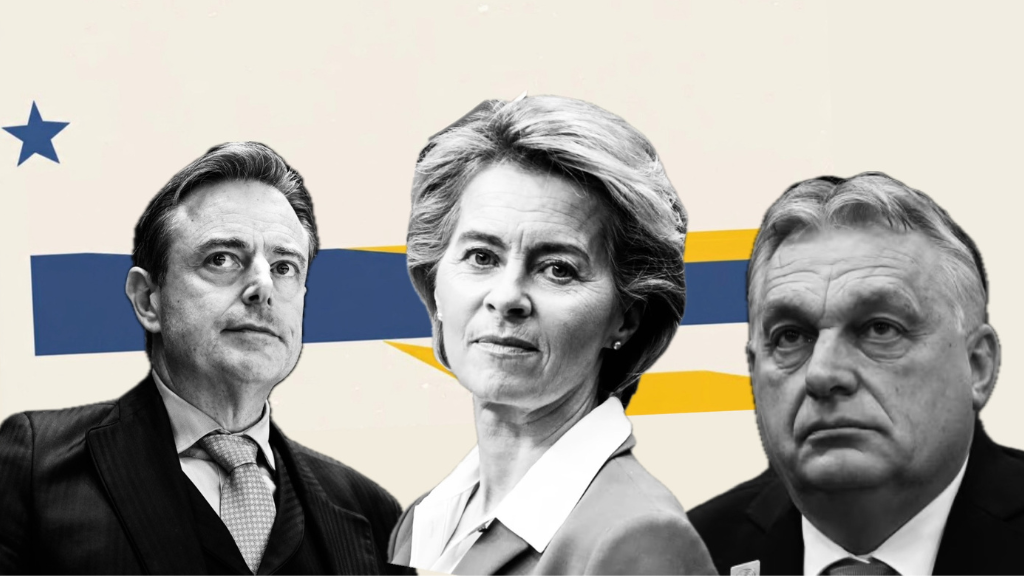
Europe faces a high-stakes dilemma. On the one hand, the EU must secure €210 billion to sustain Ukraine as its war with Russia grinds on. On the other, it must manage internal resistance from one of its founding members. Belgium, led by Prime Minister Bart De Wever, has emerged as a critical obstacle.
At the same time, pressure inside Brussels is mounting. EU officials have begun signaling, discreetly but firmly, that Belgium could face diplomatic sidelining if it continues to block the plan. In effect, the warning mirrors the treatment Hungary has faced in recent years.
Belgium’s Legal and Financial Concerns
Belgium’s objections stem from concrete legal and financial risks. Most of the frozen Russian assets intended to back Ukraine’s loan sit in Euroclear, a Brussels-based depository. As a result, Belgium fears that repayment failures or legal challenges could expose it to disproportionate liability.
To reduce this risk, De Wever has demanded stronger safeguards. Specifically, he wants larger cash buffers and firmer legal guarantees than those currently proposed. Without these protections, he has stated clearly that Belgium will not approve the loan.
Meanwhile, EU negotiators have struggled to keep talks on track. Officials expected a deal in October and again hoped for progress in December. However, Belgium has continued to add conditions. Consequently, diplomats now scrutinize each demand in detail, searching for compromises that preserve both legal certainty and political unity.
The Shadow of the Hungary Precedent
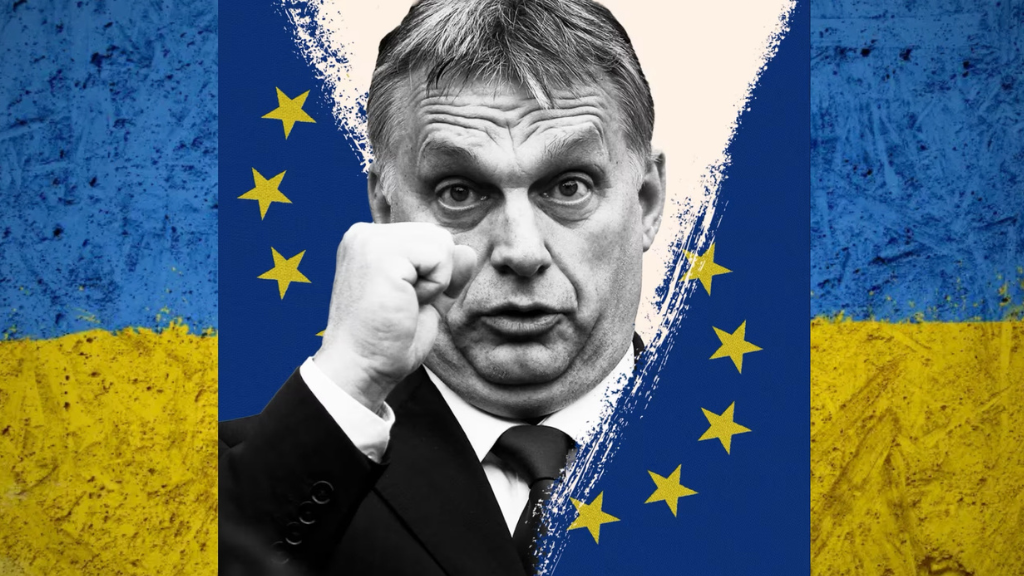
As negotiations drag on, EU diplomats have grown more direct. Should Belgium persist in its veto, it risks the same isolation imposed on Hungary under Prime Minister Viktor Orbán. In Hungary’s case, democratic backsliding and resistance to Russia sanctions led to systematic marginalization within EU institutions.
In practical terms, Belgium could face similar consequences. Other member states might sideline its positions on the EU’s 2028–2034 budget. They could also deprioritize its proposals and limit diplomatic engagement. For a country long embedded at the center of EU decision-making, such marginalization would represent a sharp and symbolic loss of influence.
Ukraine’s Urgent Financial Reality
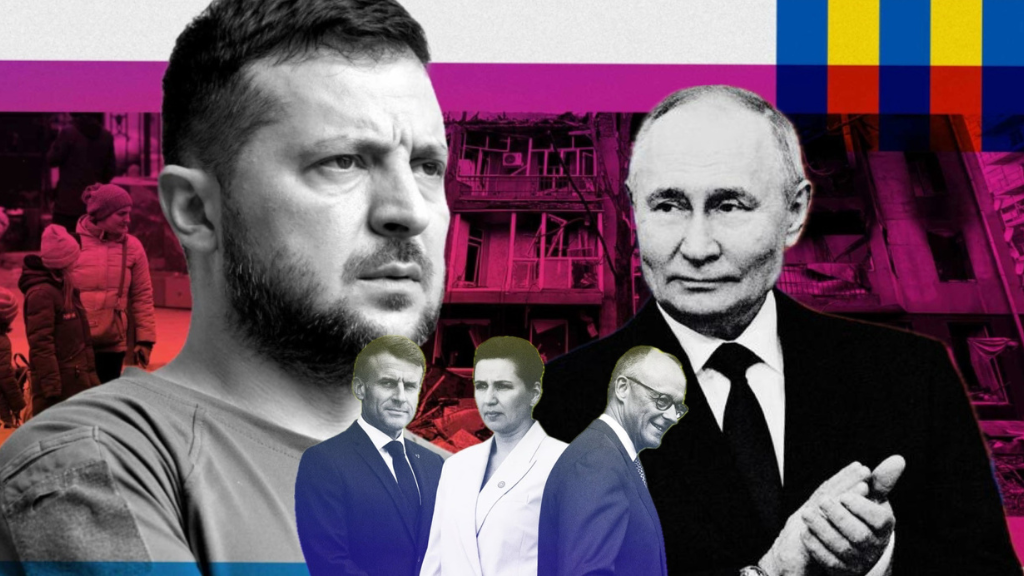
Meanwhile, the situation in Ukraine continues to deteriorate. Kyiv faces a projected €71.7 billion budget shortfall next year. Without immediate support, the government may need to slash public spending as early as April.
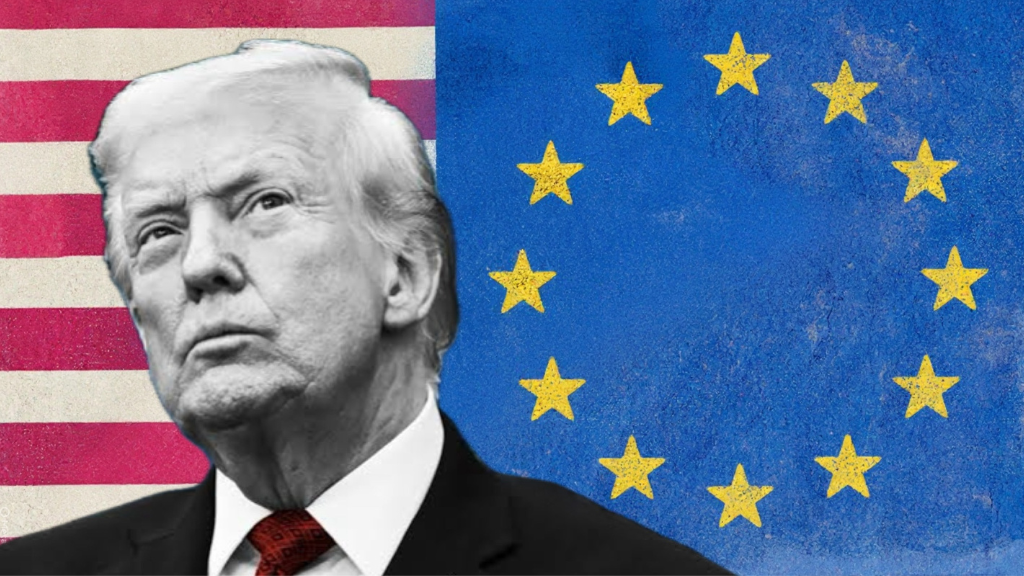
Compounding the urgency, U.S. support remains uncertain. President Donald Trump has once again distanced himself from large-scale financial aid. As a result, Europe increasingly finds itself as Ukraine’s financial backstop.
In response, the European Commission has floated alternative plans. Plan B would fund Ukraine through joint EU borrowing tied to the next seven-year budget. However, this option requires unanimity. Hungary has already blocked it by rejecting eurobond issuance outright.
Fragmented Backup Plans and Their Risks
If Plan B fails, policymakers may turn to a third option. Plan C, still informal, would rely on direct contributions from a smaller coalition of states, likely Germany, the Nordic countries, and the Baltic nations.
However, diplomats warn that this approach carries risks. While it could deliver short-term funding, it would undermine EU solidarity. Moreover, it could establish a precedent where major crises bypass collective mechanisms, weakening the bloc’s long-term cohesion.
Solidarity Versus Sovereignty
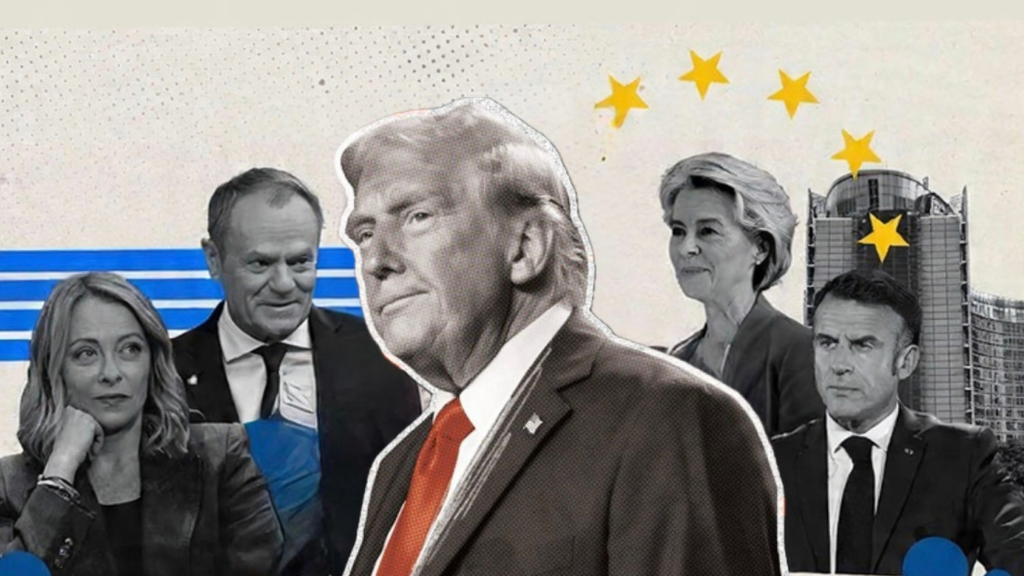
Ultimately, the standoff exposes the EU’s fragile internal balance. As one diplomat observed, “Solidarity is a two-way street.” Pressuring Belgium may unlock funding for Ukraine. Yet, at the same time, it could deepen resentment if member states feel coerced or unfairly burdened.
In theory, the EU could invoke qualified majority voting to bypass Belgium. In practice, diplomats insist this option is not under serious consideration. The bloc continues to favor consensus over confrontation, even under intense strain.
A Defining Moment for the European Union
The December 18 summit will test both Belgium’s resolve and the EU’s willingness to apply internal pressure. Moreover, it will reveal how far the bloc is prepared to go to secure collective objectives during wartime.
If Belgium refuses to support the €210 billion loan, the consequences could extend far beyond Ukraine. Such a move could embolden other hesitant governments and signal that a single state can block major EU initiatives.
Conversely, if Belgium yields under pressure, the decision may reshape how the EU manages dissent. It would raise fundamental questions about the balance between national sovereignty and collective responsibility.
In either case, the outcome will define the EU’s cohesion and credibility. More importantly, it will show whether Europe can act decisively when unity matters most.