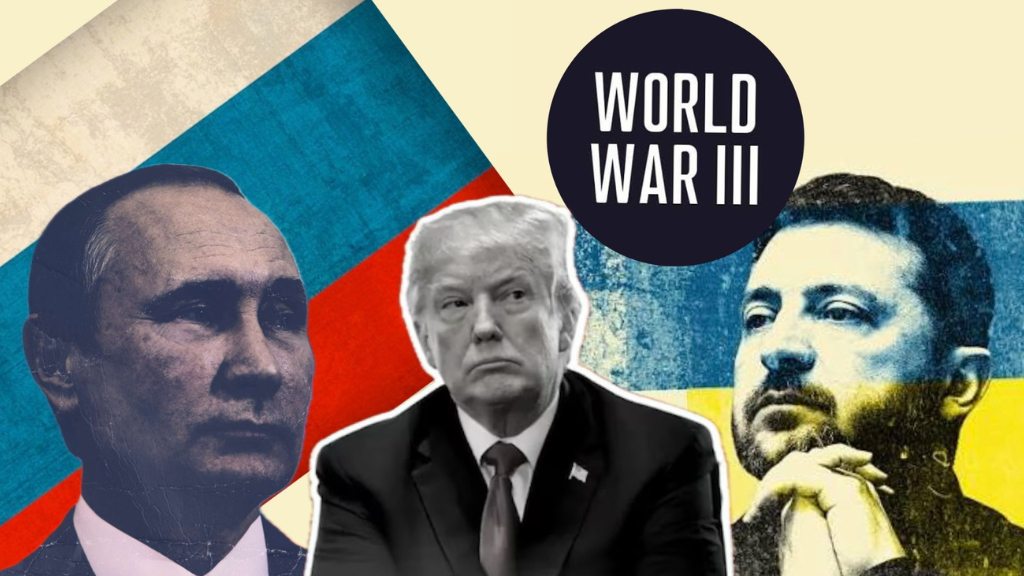
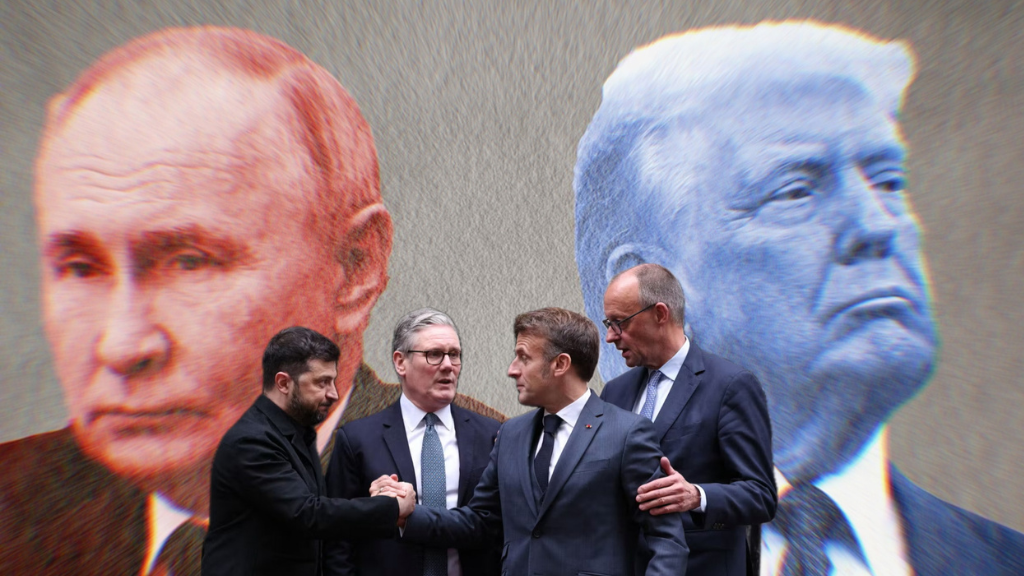
Ukraine’s leadership delivered an unmistakable message on Monday: no part of the country is up for negotiation. President Volodymyr Zelensky’s declaration came after a high-stakes meeting in London with the leaders of the United Kingdom, France, and Germany—an urgent huddle prompted by U.S. President Donald Trump’s proposed “peace plan,” which reportedly includes territorial concessions to Russia.
Speaking after his discussions with European partners, Zelensky was unequivocal. “Under our laws, under international law and under moral law, we have no right to give anything away,” he said, stressing that any settlement built on surrendering Ukrainian land would violate both constitutional principles and the values that have guided the country since the war began.
A Unified European Front
The London meeting produced some of the clearest joint statements from European leaders in months. Each underscored not only their continued support for Ukraine, but also their skepticism toward aspects of the U.S.–Russia dialogue that has been unfolding around Trump’s plan.
Keir Starmer, the UK Prime Minister, reiterated a long-standing British position: any ceasefire must be “just and lasting,” and decisions concerning Ukraine’s future must center the Ukrainian government. In Starmer’s words, “matters about Ukraine are for Ukraine,” a principle that implicitly rejects external pressure to force Kyiv into concessions.
French President Emmanuel Macron struck a strategic tone. Emphasizing that Europe and Ukraine still hold “a lot of cards,” he pointed to the combined weight of Western sanctions, Ukraine’s battlefield resilience, and sustained military support. Macron insisted that peace negotiations must occur “in the best possible conditions for Ukraine,” framing the process not as capitulation but as a continuation of collective European security policy.
Germany’s Chancellor Friedrich Merz, similarly resolute, highlighted what he called a decisive moment for Europe. While expressing concern about “some of the details” in U.S. documents related to the peace plan, he reaffirmed that “nobody should doubt our support for Ukraine,” adding that the “destiny of this country is the destiny of Europe.”
Zelensky’s Emphasis on Unity and the Stakes
For Zelensky, the London gathering was more than symbolic. He underscored the importance of maintaining a united transatlantic front as Ukraine navigates simultaneous conversations with Washington and the realities created by U.S.–Russia contacts driven by Trump’s plan.
His remarks hinted at unease over American proposals:
“Our team came back… they will brief us about the last talks with Americans and after talks of Americans with Russians… there are a lot of things which we can’t manage without Americans, things which we can’t manage without Europe.”
That balance between U.S. influence and European commitment defines the political terrain Ukraine faces as it heads into what Merz described as potentially “decisive days.”
Zelensky’s insistence on territorial integrity is not merely rhetoric. It reflects both domestic constraints and international law, which prohibits territorial acquisition by force. Any agreement that cedes Ukrainian land would risk legitimizing Russia’s invasion and setting a precedent with global consequences.
The Trump Factor and the Emerging Fault Lines
Trump’s proposal, now the subject of intense debate in European capitals, leans on the idea that a swift peace is achievable if Ukraine accepts territorial losses. Critics see this as rewarding aggression; supporters frame it as a pragmatic path toward ending a grinding war. Monday’s meeting made clear which side Europe stands on.
Merz’s skepticism about documents originating from Washington signals broader concern within NATO. A peace deal that sidelines European interests, particularly security architecture and sanctions policy could fracture the continent’s defense posture. Macron’s emphasis on “convergence” among Europeans, Ukrainians, and the United States shows that Paris fears unilateral moves from the U.S. could destabilize long-term strategy.
A Moment of Decision
Zelensky’s statement that Ukraine “has no right to give anything away” serves as both a moral declaration and a political line in the sand. The London meeting demonstrated that the leaders of Britain, France, and Germany are prepared to back that position even as diplomatic pressure grows.
With Russia pushing for concessions, Trump floating a plan centered on territorial compromise, and Europe wary of being blindsided by U.S.–Russia exchanges, the next phase of diplomacy will test the strength of the Western alliance. But for now, Ukraine’s stance is unmistakable: Peace Cannot come at the price of its land or its sovereignty.